The PS5 launched at a loss. Here's how Sony actually makes its money
The PS5 launched below cost, and Sony still reports hardware losses. Here's what Sony's own figures say about where PlayStation's money really comes from.
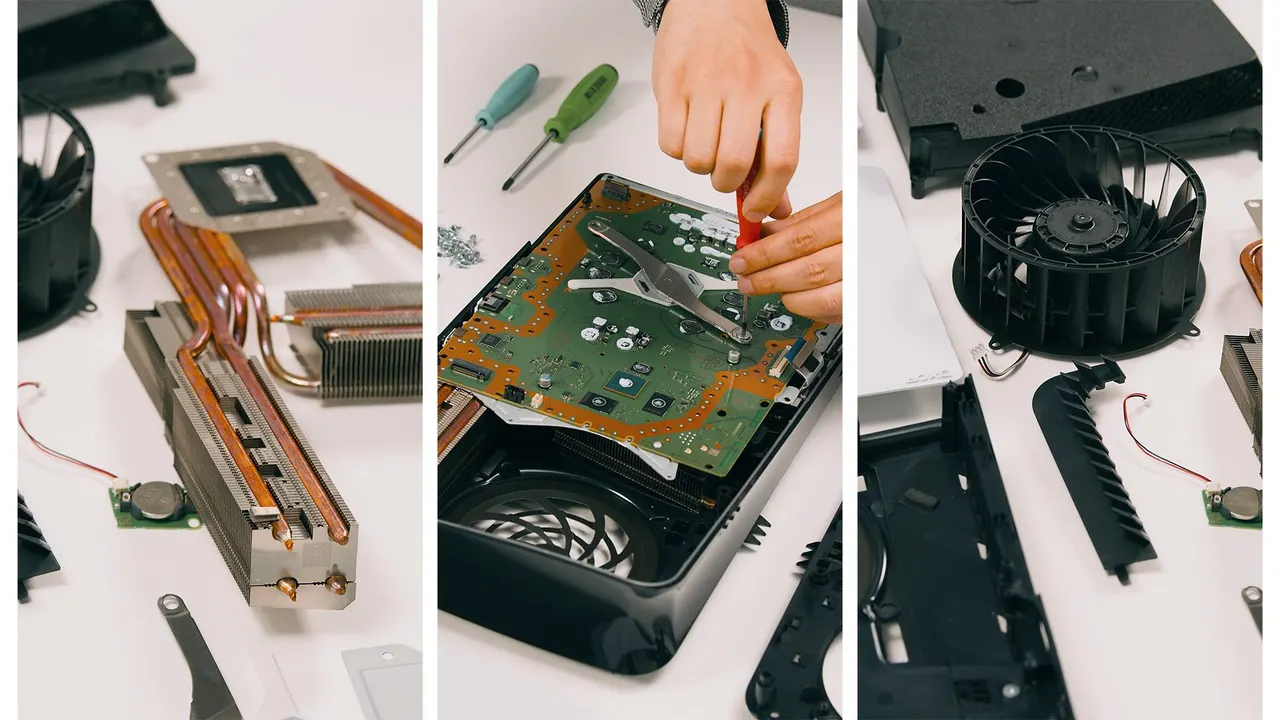
Ask around about how consoles make money and you’ll usually hear the same thing: Sony loses money on every PlayStation it sells, then makes it all back on the games. It gets repeated so often that it sounds like a law of nature.
I wanted to know if it’s actually true, so I went through Sony’s own paperwork: its annual reports, its quarterly results and the PlayStation figures it publishes for investors. The short version? The PS5 really did launch at a loss, and Sony still talks about hardware losses in its results today. But the console was never where the money was going to come from.
So, does Sony lose money on the PS5?
At the start, yes. It’s not something you’d expect a company to put in writing, but Sony did, in its annual report for the year the PS5 launched (April 2020 to March 2021). PlayStation’s profit still rose that year, to ¥342.2 billion, on the back of game sales and PlayStation Plus. Holding it back was a loss on PS5 hardware, because Sony had deliberately picked prices that were “set lower than the manufacturing costs”.
So for a while there, Sony was selling you a PS5 for less than it cost to build one.

The PS5 launched in Australia on 12 November 2020. Image: Sony Interactive Entertainment
Since then the losses have gone up and down. They shrank in each of the next two years, then grew again in the year to March 2024, which Sony put down mainly to promotions. And Sony was still using that language as recently as February 2026, when its results for October to December 2025 listed an “Increase in losses from hardware” among the things pulling on PlayStation’s profit.
What Sony doesn’t say is how big those losses are, or whether every model loses money. Nobody outside the company knows the exact loss per console, so be wary of anyone who tells you a precise figure. For this financial year (April 2026 to March 2027), Sony says it expects hardware to be about as profitable as last year, even with memory chips getting dearer.
Now look at the other side of the ledger. In that same October to December quarter, with hardware losses growing, PlayStation’s profit still went up 19%.
Sony has done this before
None of this is new. The PS3 is the famous example. Sony’s annual reports say it priced the PS3 below what it cost to produce, and its games business lost ¥232.3 billion in the year to March 2007, then another ¥124.5 billion the year after. That’s a lot of money to spend getting a console into lounge rooms.
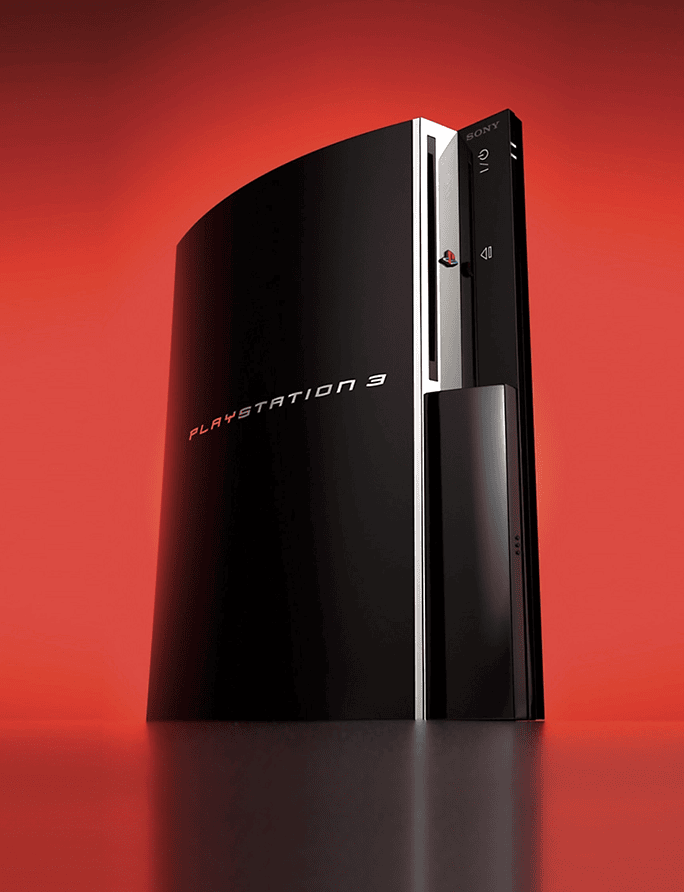
The PS3, which Sony priced below what it cost to make. Image: Sony Interactive Entertainment
The PS4 played out differently. In the year it launched, to March 2014, Sony’s games business slipped to a small ¥8.1 billion loss, which Sony blamed mainly on the costs of launching the PS4 (plus a write-off on some PC games). That year’s annual report doesn’t use the below-cost language Sony used for the PS3 and PS5.
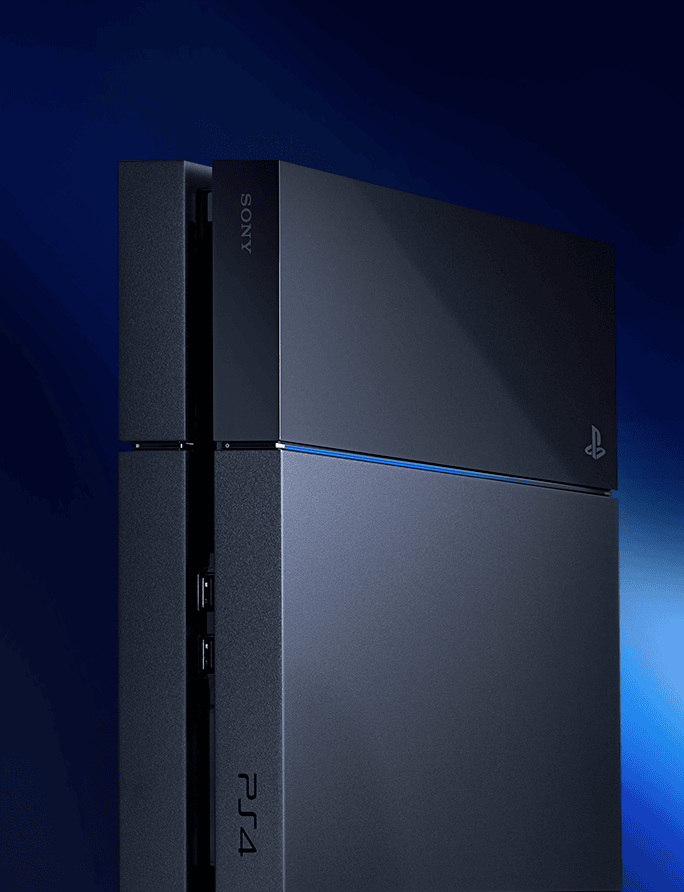
The PS4, from 2013. Image: Sony Interactive Entertainment
Where the money actually comes from
So if the box isn’t the moneymaker, what is? Sony splits PlayStation’s sales into three buckets in its annual report. Here’s how its last full financial year, April 2025 to March 2026, broke down:
| Bucket | What’s in it | Sales | Share |
|---|---|---|---|
| Digital software and add-on content | Games, expansions and extras you download | ¥2.42 trillion | 53% |
| Network services | Mainly PlayStation Plus | ¥763.1 billion | 17% |
| Hardware and others | Consoles and accessories, plus games on disc and Sony’s own games on other platforms | ¥1.39 trillion | 30% |
Sales to customers outside Sony, year ended 31 March 2026. Source: Sony Group annual report (Form 20-F).
More than half of everything PlayStation sells is downloads. And even the hardware bucket isn’t all hardware, because Sony lumps in discs, controllers and the games it releases on other platforms too.
All up, PlayStation brought in ¥4.69 trillion that year, or roughly US$31 billion at Sony’s own average exchange rate for the year. Profit hit a record ¥463.3 billion, and that’s after Sony wrote down ¥120.1 billion on Bungie, the Destiny studio it bought in 2022.
The direction is telling, too. Compared with the year before, hardware and others fell 12% as PS5 shipments dropped from 18.5 million to 16.0 million. Digital games and add-ons grew 5%, and network services grew 14%.

The PS5 game library. Digital games are PlayStation’s biggest earner. Image: Sony Interactive Entertainment
The PlayStation Store is the till
Sony says its digital games and add-ons are mainly sold through the PlayStation Store, and this is where it gets interesting. It isn’t just Sony’s own games making money there.
In Sony’s results you’ll keep seeing the term non-first-party. First-party games are the ones Sony’s own studios make, like God of War. Non-first-party means everyone else. Sony regularly credits growth in PlayStation’s sales and profit to other publishers’ games, and it feels it when they go quiet: in April to June this year, it pointed to lower sales of non-first-party games.
Take GTA VI, which you can pre-order for $129.95 (standard edition) on the Australian PlayStation Store. Rockstar made it, but buying it on PlayStation still feeds into Sony’s results. Even boxed games count: Sony’s annual report says it earns platform licensing revenue from publishers when their discs are delivered.
The scale is huge. Sony’s figures show 317.9 million PS4 and PS5 games sold in the year to March 2026 (downloads and bundled games included), and more than 1.7 billion since the PS4 came out. Its stated plan is to get more spending out of each player on the PlayStation Store, which tells you exactly where Sony’s attention is.
PlayStation Plus: the money that turns up every month
Then there’s PlayStation Plus, which Sony launched back in 2010. Network services, mostly PS Plus, brought in ¥763.1 billion last financial year, and from July to September 2026 it was up 19.5% on the same months a year earlier.
Sony’s annual reports put a lot of that growth down to players moving up to pricier tiers, and Sony says it wants more of us to make the jump. It has also described network services as a stable source of revenue, which makes sense. Subscriptions keep coming in during the quiet months between big releases.

PlayStation Plus arrived in 2010. Image: Sony Interactive Entertainment
Sony doesn’t include a PS Plus member count in the figures it publishes. What it does publish is monthly active users, meaning accounts that played or used online services on PlayStation in the last month of a quarter. That was 127 million in September 2026, after a record 132 million in December 2025.
Here’s what PS Plus costs in Australia right now, per month, per three months and per year:
- Essential: $14.95, $43.95 or $112.95. Online multiplayer, monthly games and member discounts.
- Extra: $24.95, $68.95 or $196.95. Adds the Game Catalogue, with hundreds of games to download.
- Deluxe: $26.95, $79.95 or $225.95. Adds the Classics Catalogue and game trials. (Here the top tier is called Deluxe, not Premium.)
So why sell the console cheap at all?
Because every console is a doorway to the store. The more PlayStations there are in lounge rooms, the more people there are buying games, add-ons and subscriptions. Sony’s latest annual report says exactly that, crediting the growth in its game and subscription sales to the bigger number of PS5s out there.
And there are a lot of them. Sony had shipped more than 100 million PS5s by 10 November 2026. For comparison, Sony puts the original PlayStation at more than 102.4 million, the PS3 at more than 87.4 million and the PS4 at more than 117 million.

Where it all started: the original PlayStation, from 1994. Image: Sony Interactive Entertainment
Then there’s the PS2, at more than 160 million. It’s still Sony’s best seller, and the PS5 has a long way to go to catch it.

The PS2, from 2000. Image: Sony Interactive Entertainment
The PS5 is slowing down now, though. Sony shipped 2.6 million of them in July to September 2026, down from 4.0 million a year earlier, and PlayStation’s profit still went up. Sony is also already spending money on what it calls its next-generation platform, so there’ll be another doorway to build before too long.
What it all means for prices in Australia
If Sony was losing money on the PS5 at launch, you might expect it to get cheaper as it got older. In Australia, it’s gone the other way.
In August 2022, Sony raised the price here to $799.95 for the PS5 with a disc drive and $649.95 for the Digital Edition, pointing to high inflation and currency movements. In April 2025 they went up again, to $829.95 and $749.95, although the add-on Disc Drive came down to $124.95.
Then in late March this year, Sony announced a global price rise for the PS5, PS5 Pro and PlayStation Portal from 2 April 2026, blaming ongoing pressure in the global economy. Sony’s post only listed prices for the US, UK, Europe and Japan, so check with your retailer for what you’ll pay here.

The PS5 Pro, which arrived in November 2024. Image: Sony Interactive Entertainment
There’s at least some good news on that front. Memory has become a big cost worry this year, and Sony told investors in July that it has already locked in enough memory for the PS5s it plans to sell this financial year.
So, is the PlayStation a loss leader?
Sometimes, yes. The PS5 launched below cost, the PS3 lost Sony a fortune, and Sony’s results still mention hardware losses, which it has tied to promotions in the past. Whether any one PS5 on a shelf today is losing Sony money, only Sony knows.
But the loss was always the price of admission, not the business. More than half of what PlayStation sells is digital games and add-ons going through the PlayStation Store, another sixth is mostly subscriptions, and Sony’s profit keeps rising while console shipments slow down.
So if you grab a PS5 in the Black Friday sales, Sony might be losing a little on that box. It’s betting you’ll more than make up for it at the store.